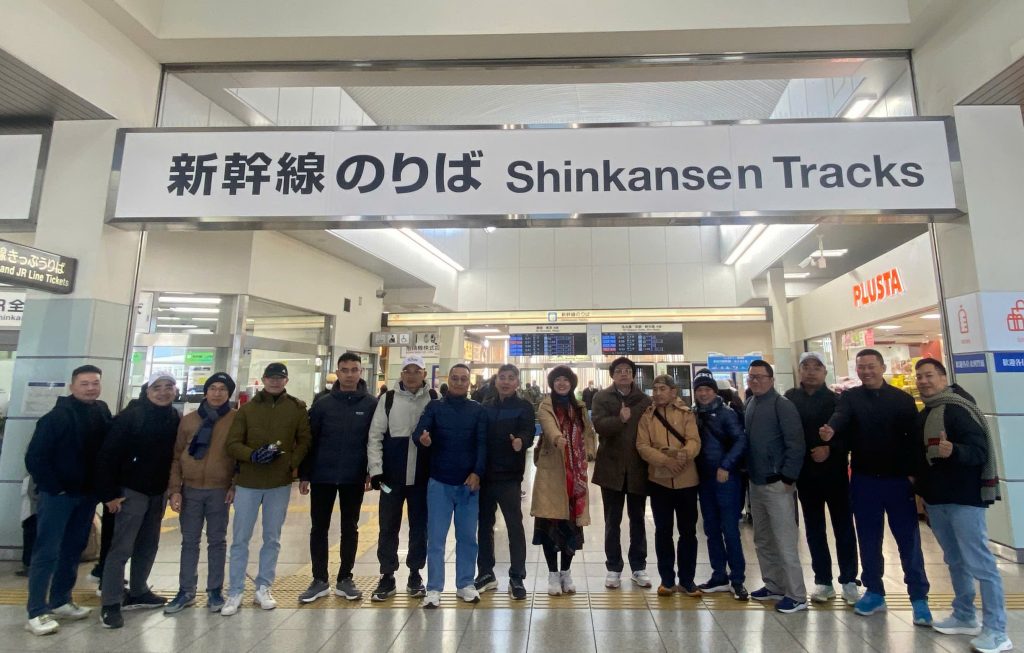
WHEN REWARDS ARE MORE THAN JUST MATERIAL VALUE
Throughout TEXO’s development journey, in addition to the goals of expanding business operations and improving service quality, the Company has always regarded its people as the most important foundation for sustainable development. Therefore, alongside investing in professional activities, the Company places special emphasis on improving the material and spiritual well-being of its employees. Guided by the philosophy that “people are the Company’s most valuable asset,” TEXO implements various reward and recognition policies to promptly honor teams and individuals who achieve outstanding performance. These rewards not only provide practical material value but also demonstrate the Company’s recognition and appreciation of the efforts and contributions made by every member of the TEXO family.
In particular, to further motivate employees and provide memorable experiences, the Company regularly organizes overseas tours and study trips for its staff. In early March, TEXO organized a sightseeing and travel program for the Company’s employees to Japan, the Land of the Rising Sun.
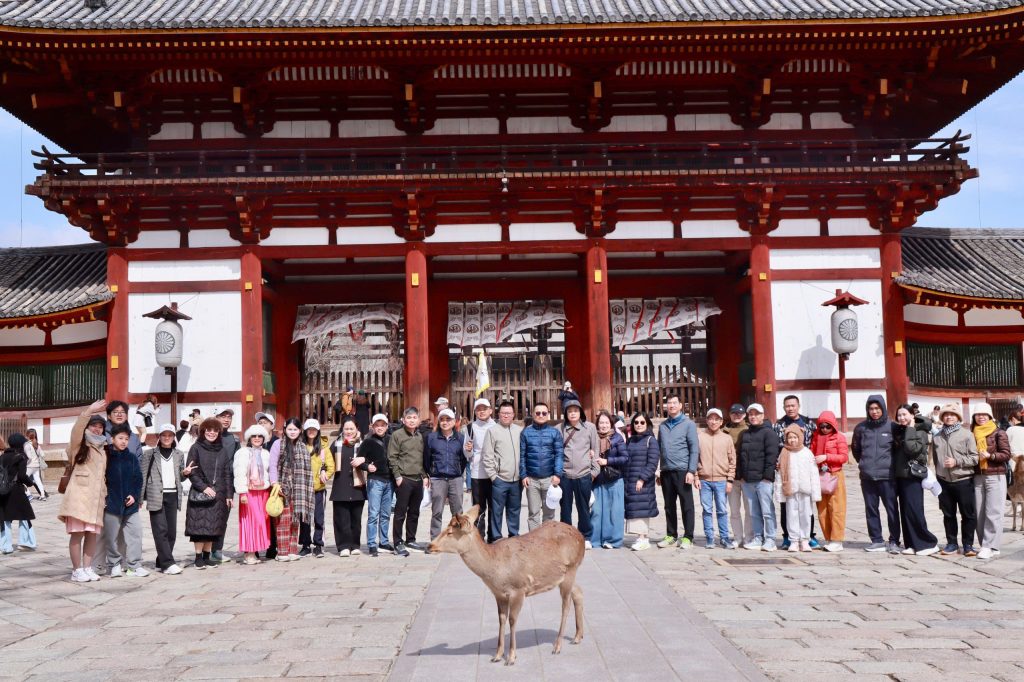
During the trip, the TEXO delegation visited a number of Japan’s famous attractions, including: Todai-ji Temple – meaning “Great Eastern Temple,” located in Nara Prefecture, is the place where the Buddha is enshrined. It is the largest wooden architectural structure in the world. Inside the temple stands a 500-ton bronze statue named Vairocana, commonly known by the Japanese as the Great Buddha (Daibutsu). Nara Park – home to approximately 1,000 wild deer that roam freely throughout the park. The deer living here are listed as one of Japan’s national treasures.
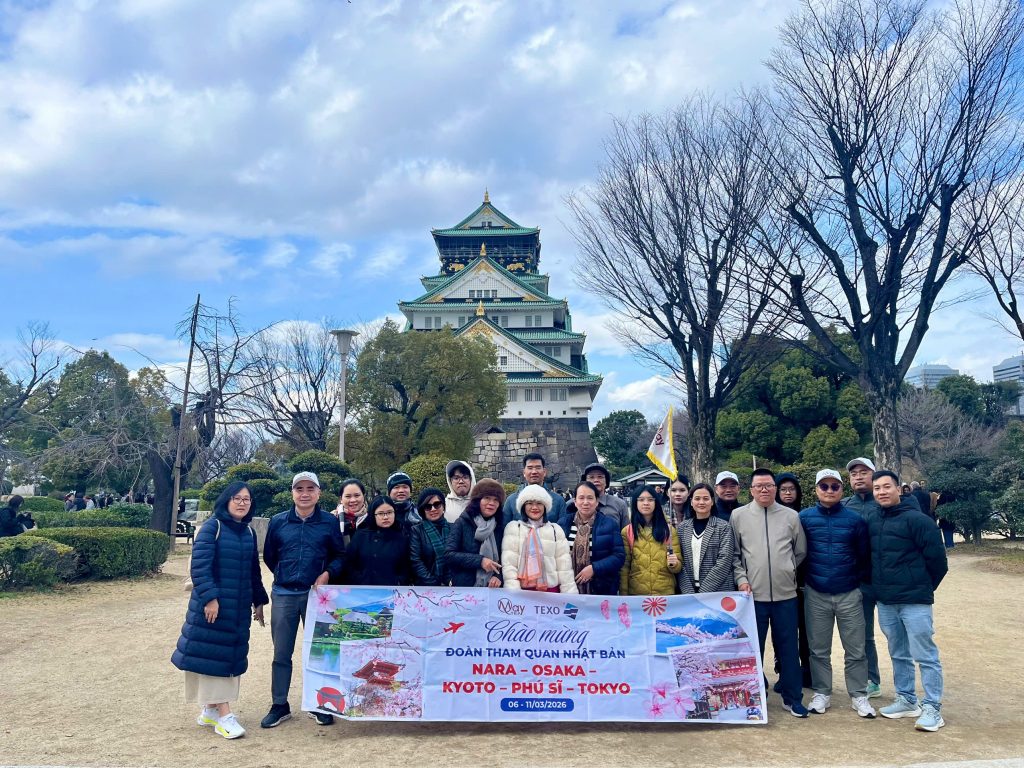
Osaka is one of Japan’s largest centers for culture, history, and economic development. Among its most famous landmarks is Osaka Castle, renowned for its distinctive architecture. The castle was built on two elevated stone platforms, supported by massive, steep stone walls, and is surrounded by two concentric moats. It stands within a site covering approximately 1 square kilometre, making it one of Japan’s most iconic historical monuments.
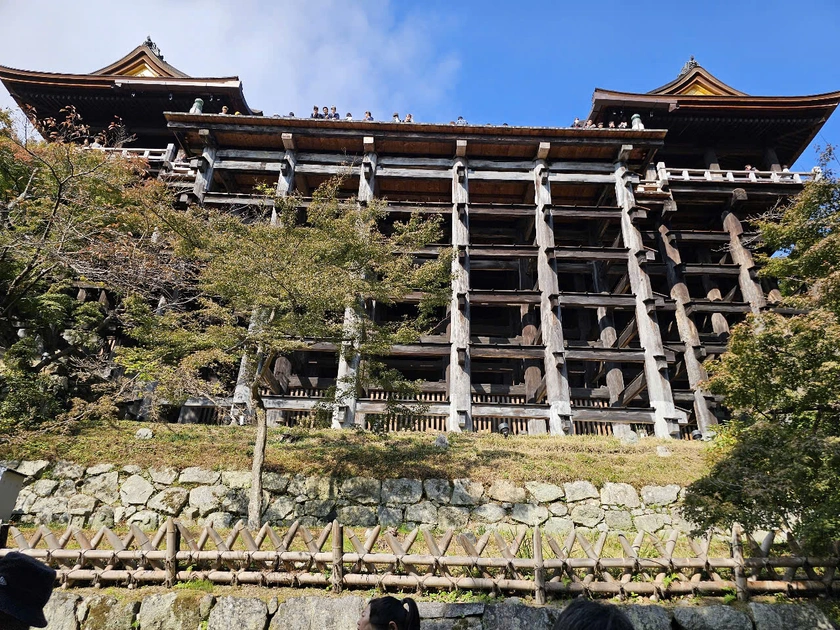
Kiyomizu-dera Temple (literally “Pure Water Temple”) is located in Kyoto City, Kyoto Prefecture, Japan. Situated on the slopes of Mount Otowa in Higashiyama Ward, the temple is a UNESCO World Cultural Heritage Site, renowned for its unique wooden architecture constructed without the use of nails and recognized as one of the most iconic historic landmarks of the ancient capital of Kyoto.
During the visit, the TEXO delegation not only admired the temple’s remarkable beauty but also witnessed firsthand its impressive main hall, which is supported by 139 wooden pillars, each standing approximately 15 metres high.
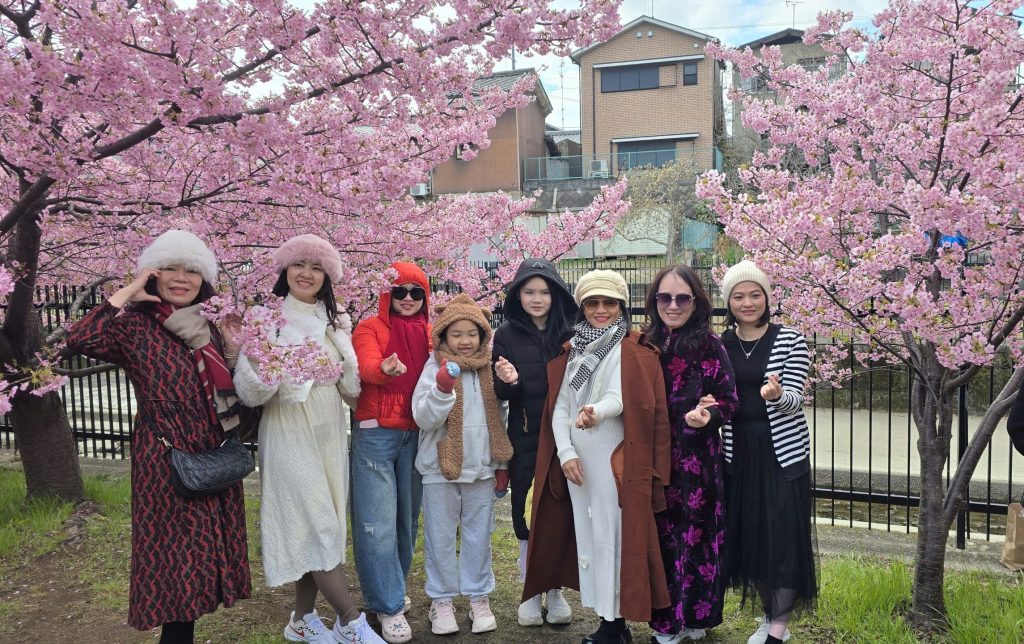
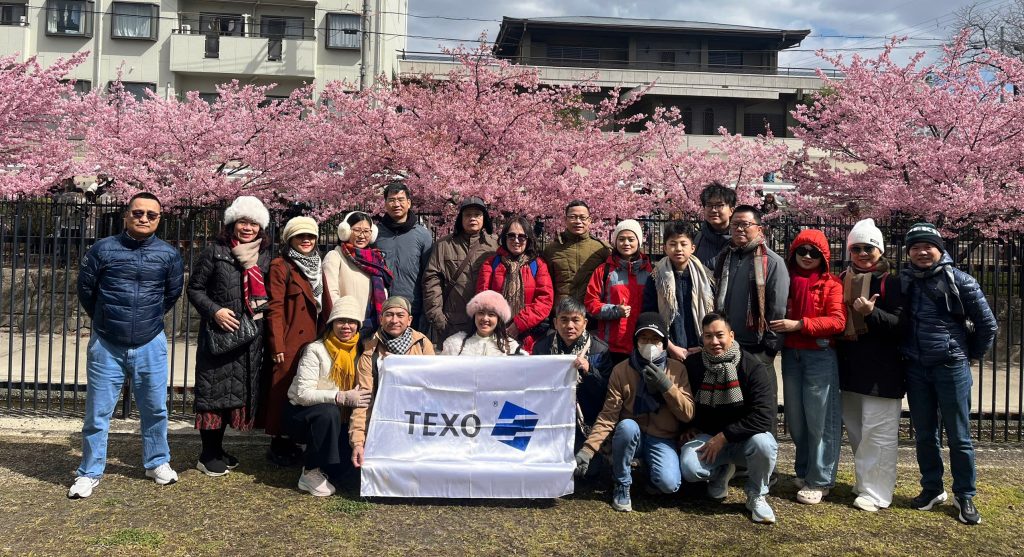
Seeing the cherry blossoms lining both banks of the rivers in Kyoto Prefecture with your own eyes is a truly unforgettable experience for every visitor. The unique charm of the cherry blossoms lies in their delicate, pale pink petals, which bloom in clusters and burst into full blossom all at once, transforming the surrounding landscape into a breathtaking scene of elegance and shimmering beauty.
Traveling from Kyoto to Mount Fuji, the group had the opportunity to experience the Shinkansen, Japan’s world-famous high-speed rail and a source of national pride. During the journey, the train reached a recorded speed of 282 km/h. For TEXO’s engineers, this was more than just transportation—it was a valuable firsthand experience with one of the world’s most advanced railway systems.
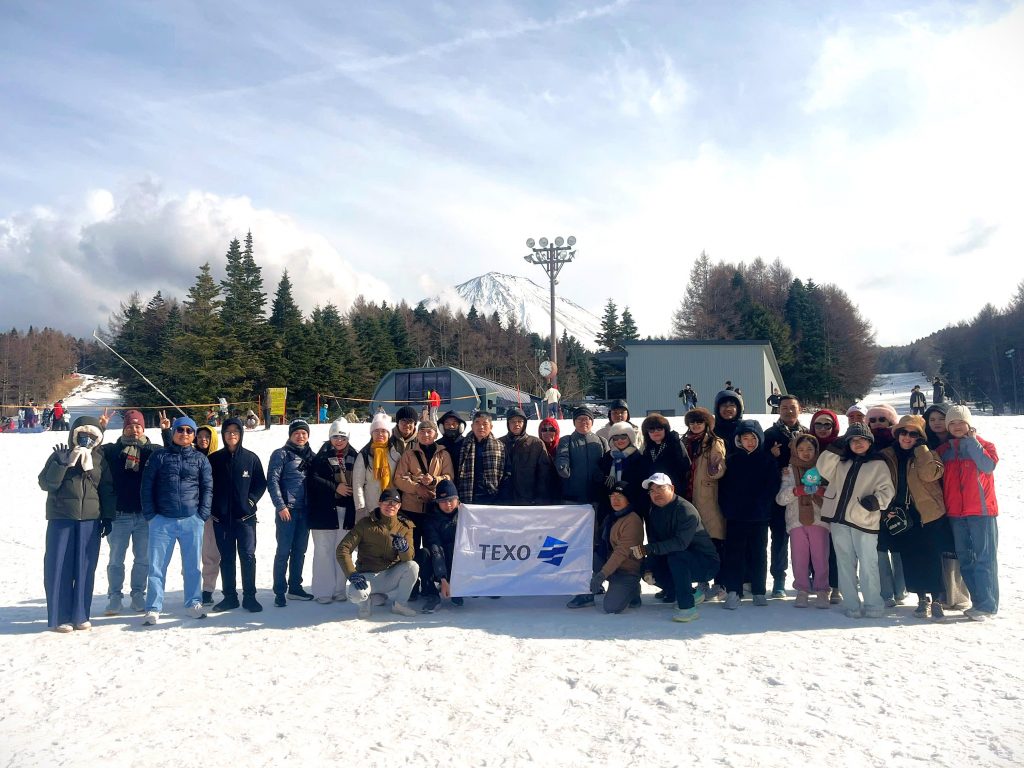
Mount Fuji, the iconic symbol of Japan, straddles the border between Shizuoka and Yamanashi Prefectures on Honshu Island, approximately 100 kilometers southwest of Tokyo. As Japan’s highest mountain and an active volcano, Mount Fuji is renowned for its majestic scenery and breathtaking beauty throughout the year.
Arriving in Tokyo, Japan’s largest and most vibrant metropolis, the group was immersed in the dynamic atmosphere of a city where centuries-old traditions coexist harmoniously with cutting-edge technology. Located on Honshu Island, Tokyo serves as the nation’s economic, cultural, and entertainment hub.
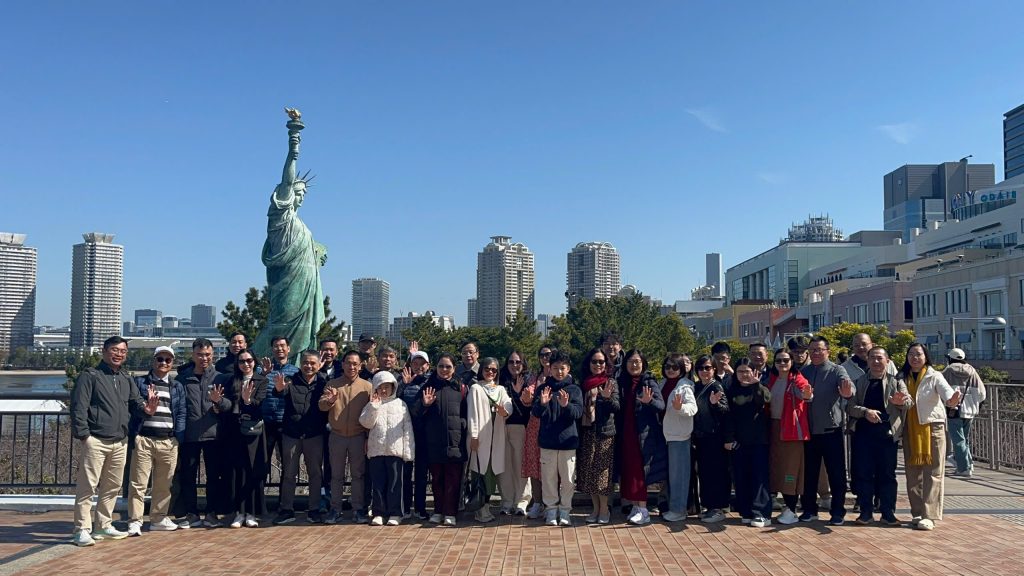
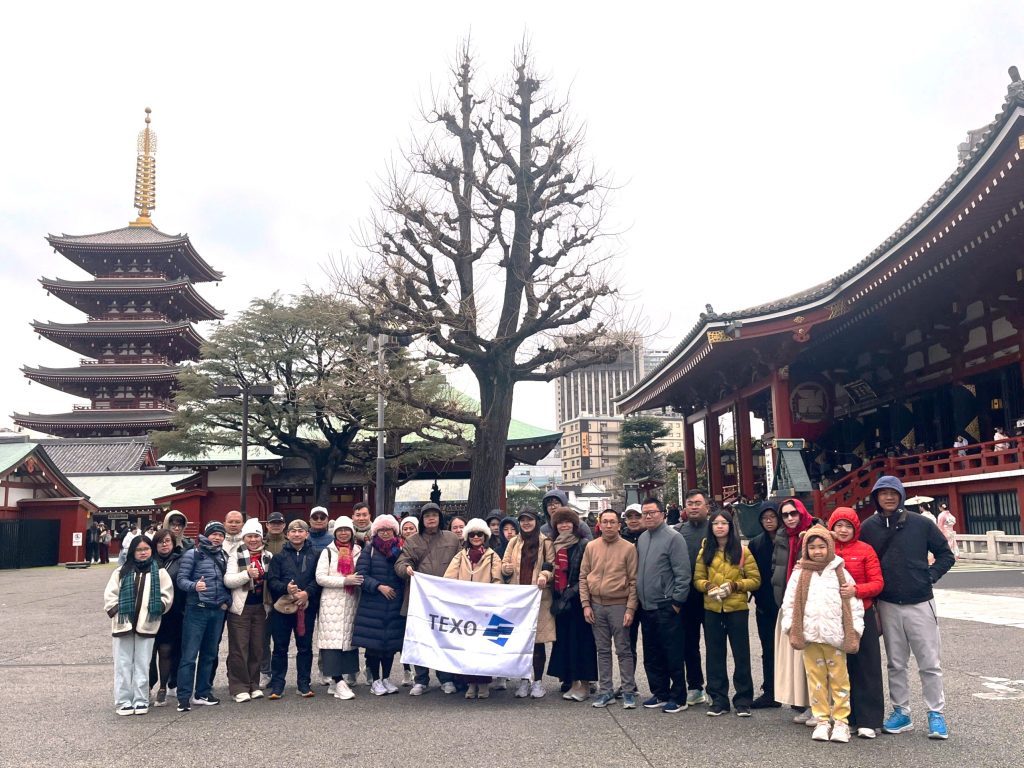
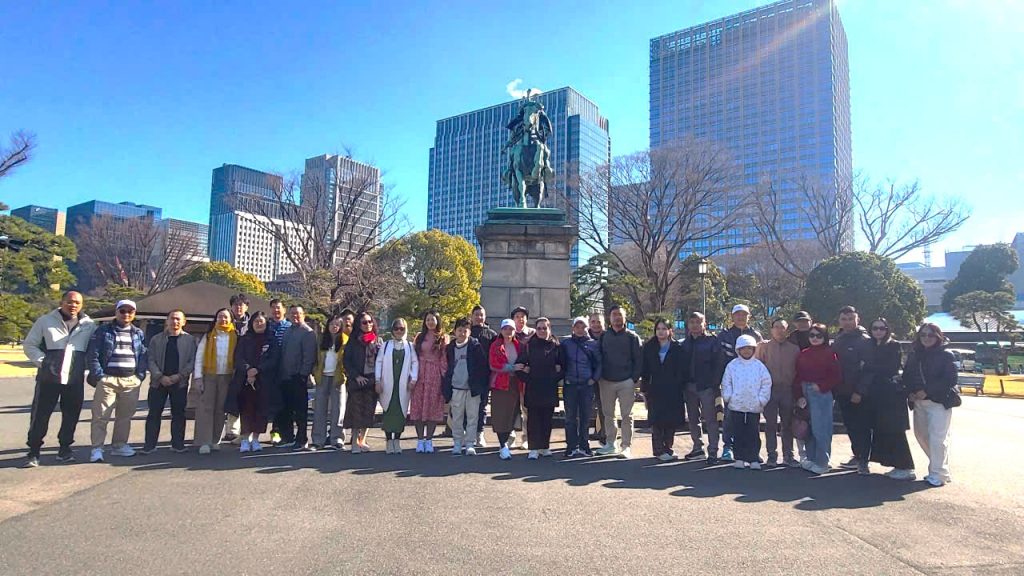
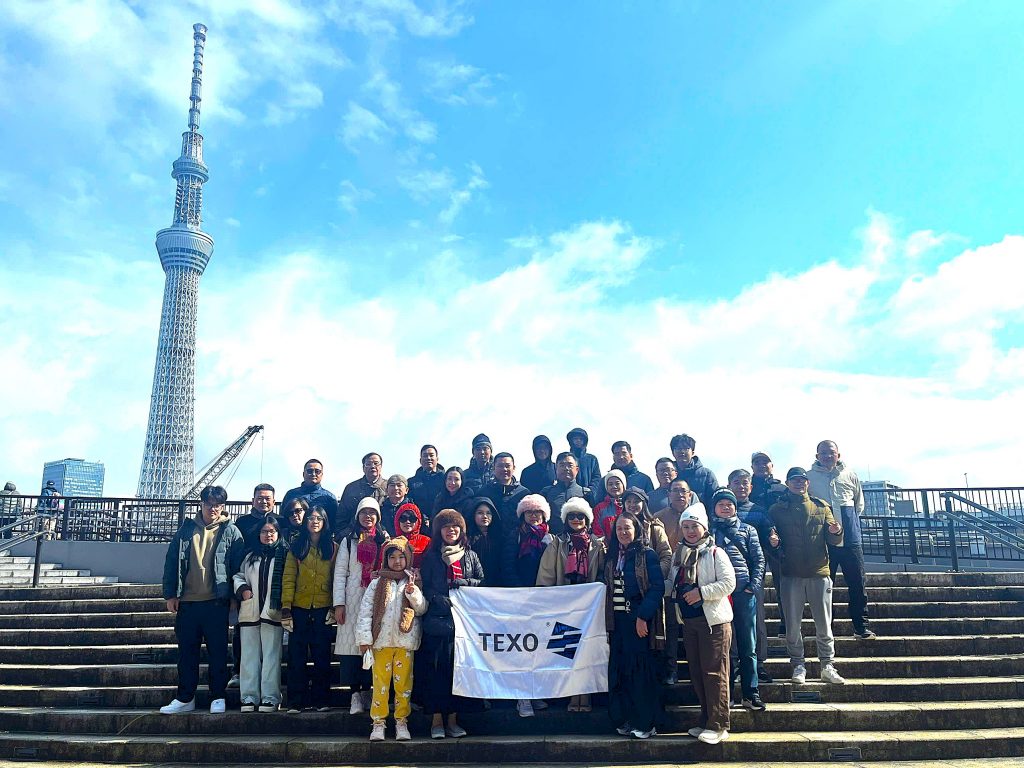
During their stay, the group visited several of Tokyo’s most iconic landmarks, including Senso-ji (Asakusa Kannon Temple), the city’s oldest Buddhist temple, originally founded in 645 AD during the early historical period; Tokyo Skytree, one of the tallest broadcasting towers in the world; the Tokyo Imperial Palace, the former residence of the Japanese Emperor, renowned for its magnificent architecture and beautifully landscaped grounds; and Odaiba Bay, a popular waterfront district celebrated for its modern attractions and spectacular views of Tokyo Bay.
This trip was not only a well-deserved reward for employees’ dedication and outstanding contributions, but also an opportunity for everyone to relax, recharge, and rejuvenate after a period of hard work. More importantly, it strengthened team spirit, fostered closer relationships among colleagues, and provided valuable opportunities to explore new cultures and gain fresh perspectives from the world around them.
Caring for the well-being of our employees is more than just a welfare policy—it is an integral part of TEXO’s corporate culture. This genuine commitment has helped cultivate a united, passionate, and dedicated workforce that is ready to grow alongside the Company for the long term.
Looking ahead, TEXO will continue to promote initiatives that enhance the well-being and engagement of our employees. We firmly believe that when every individual is valued, supported, and inspired, they are empowered to create lasting value and contribute to the Company’s sustainable growth.
Below are some highlights from the journey: